
The world’s appetite for engineers has never been greater. Digital transformation, electrification and automation mean that every industry now relies on technical talent, from software developers to electronics specialists. In the United States alone there were about 1.9 million software developer jobs in 2023, and more than 287,000 electrical and electronics engineering roles. Employers compete fiercely for qualified people, driving pay upwards and reshaping workplace expectations.
According to the U.S. Bureau of Labor Statistics, software developers earned a median salary of $131,450 per year in 2024, while electrical and electronics engineers earned $118,780. Those figures reflect the high value placed on engineering expertise and hint at the cost of hiring in a tight labour market. Job growth is brisk: software developer employment is projected to rise by 17 % between 2023 and 2033, adding 327,900 jobs, whereas electrical and electronics engineering roles are expected to grow 9 %. With around 140,100 openings for software developers and 19,000 for electrical/electronics engineers each year, recruitment is both an opportunity and a challenge.
The FAQs below explore common questions about hiring engineers—covering qualifications, job outlook, remote work, salary expectations and more. Each answer draws on real‑world data and case studies to highlight cause‑and‑effect relationships. You’ll also find tips for small businesses, insights into cultural fit and a look at emerging trends. Whether you’re building a startup or expanding a multinational team, these insights should illuminate the path ahead.
- What qualifications and education are needed to become a professional engineer?
- How promising is the job outlook for software engineers?
- Why is there a shortage of experienced engineers?
- How competitive is hiring for electrical and electronics engineers?
- How does remote work affect engineering recruitment?
- Should I hire generalist or specialist engineers?
- How can small businesses attract and retain engineering talent?
- What roles do engineers play in a startup environment?
- How important is cultural fit when hiring engineers?
- What salary expectations should companies have for engineers?
- What skills are most in demand for engineers today?
- How can businesses effectively assess technical skills during recruitment?
- Should we hire engineers as contractors or full‑time employees?
- How does economic uncertainty influence engineering hiring strategies?
- What are the benefits of building diverse engineering teams?
- How can companies support continuous learning for engineers?
- What legal or compliance considerations come with hiring engineers internationally?
- How can AI and automation assist in recruiting engineers?
- When should a company use a recruitment agency to hire engineers?
- What future trends will shape hiring engineers beyond 2025?
What qualifications and education are needed to become a professional engineer?

In most fields of engineering, a solid educational foundation is non‑negotiable. Software developers, for example, typically need a bachelor’s degree in computer science or a related discipline. Electrical and electronics engineers also begin with an accredited bachelor’s programme and often supplement their learning with internships or co‑operative placements. Employers increasingly value postgraduate degrees and professional certifications, especially for specialised roles like AI or safety‑critical systems. The combination of formal education and hands‑on experience builds both theoretical knowledge and practical aptitude.
Licensing requirements vary by country and engineering branch. In the United States, civil and structural engineers usually need a Professional Engineer (PE) licence, while software engineers rarely do. Many European countries have chartered or registered engineer status that confers credibility and legal standing. Organisations such as ABET in the United States accredit programmes to ensure they meet rigorous standards. Some argue that these credentials are bureaucratic hurdles; however, they help protect public safety and establish trust, which can simplify hiring decisions.
Continuous learning is vital because technology evolves quickly. Engineers who learn new frameworks, methodologies and tools—such as agile practices or DevOps automation—remain relevant. Soft skills matter too: communication, collaboration and ethical reasoning help engineers work effectively in multidisciplinary teams. Ultimately, education sets the stage, but curiosity and adaptability are what keep engineers at the top of their game.
How promising is the job outlook for software engineers?

The prospects for software engineers are, by most measures, stellar. The U.S. Bureau of Labor Statistics projects a 17 % increase in employment for software developers, quality assurance analysts and testers between 2023 and 2033—much faster than the average for all occupations. This growth translates to an estimated 327,900 new positions and about 140,100 job openings each year, driven by demand for new applications, expansions in cloud computing and the need to replace workers who retire or move into different careers.
Such expansion stems from cause‑and‑effect dynamics in the technology sector. As businesses digitise operations, they require custom software to streamline processes, analyse data and engage customers. Mobile apps and Internet‑of‑Things devices compound this need. Even companies outside the tech industry now maintain in‑house development teams to stay competitive. Some argue that the market will eventually saturate, yet new technologies—artificial intelligence, quantum computing and cybersecurity, to name just a few—continue to create fresh demand and novel specialisations.
Still, growth isn’t uniform across regions or specialisations. Major hubs like Silicon Valley and Bengaluru attract the lion’s share of jobs, but smaller cities and remote roles are gaining ground. Pay levels vary accordingly. The median U.S. salary for software developers was about $131,450 in 2024, though figures in London or Berlin may differ due to local cost of living. Candidates with experience in high‑demand areas—such as AI, cloud architecture or cybersecurity—often command premium wages. For employers, the lesson is clear: competition for top talent will remain intense, so refining recruitment strategies and offering compelling benefits is crucial.
Why is there a shortage of experienced engineers?
When managers complain of an engineer “shortage,” they usually mean there aren’t enough experienced specialists to meet immediate demand. This issue isn’t due to a lack of graduates—engineering programmes produce thousands of degree holders each year—but rather the time it takes for novices to become experts. Software development, electrical design and complex system integration require years of practice before professionals can work autonomously. Consequently, the pool of mid‑career engineers is shallow, especially in emerging fields like AI and renewable energy.
Another factor is the global nature of demand. Companies across continents are recruiting from the same talent pool, facilitated by remote work and international mobility. When Silicon Valley can offer salaries that dwarf local rates, local firms struggle to compete. Some argue that employers exacerbate the problem by setting excessively narrow requirements: asking for ten years’ experience with frameworks that have only existed for five, or insisting on a particular industry background. If businesses broaden their criteria and invest in training, the “shortage” may be less acute.
The cause‑and‑effect dynamic plays out in employee retention too. High turnover arises when engineers burn out or lack advancement opportunities. Encouraging a healthy work‑life balance, offering mentorship and recognising achievements can keep engineers engaged. At the societal level, encouraging more girls and under‑represented minorities into STEM fields expands the talent pipeline. While it’s tempting to think the shortage is a temporary blip, the reality is more complex: demand is rising faster than training pipelines can scale, so long‑term strategies are required.
How competitive is hiring for electrical and electronics engineers?

The labour market for electrical and electronics engineers is tight but not quite as scorching as software development. Employment for these roles is projected to grow 9 % from 2023 to 2033, which is still faster than average. About 19,000 openings per year will arise, many due to retirements and transfers. Median salaries hover around $118,780, reflecting the technical expertise required. Industries such as power generation, aerospace and telecommunications are major employers, and the electrification of vehicles and renewable energy infrastructure is fuelling additional demand.
Despite these positive indicators, competition can be fierce for specific skill sets. Companies building electric vehicles need engineers versed in battery management systems and power electronics. Infrastructure projects call for knowledge of grid modernisation and smart‑metering. Employers in these niches often find that there are simply too few candidates with both the theoretical background and practical experience. Some argue that salary isn’t the only lever; offering interesting projects, opportunities to work on sustainability initiatives and clear career progression can tip the balance.
Recruitment strategies must reflect the sector’s diversity. A manufacturer seeking an engineer to design radar systems may look in different places than a research lab developing microchips. Geographic considerations matter too: aerospace hubs, such as Toulouse or Seattle, cluster expertise and raise local competition. Ultimately, success comes from understanding the specific role, casting a wide net and nurturing relationships with universities and professional associations.
How does remote work affect engineering recruitment?
The pandemic‑driven surge in remote work reshaped expectations for engineers and employers alike. Hiring managers can now cast a global net, recruiting talent from different time zones and cultural backgrounds. For engineers, this flexibility means they can choose roles without relocating, balancing family commitments with career aspirations. In some cases, remote work has become a deciding factor for candidates, and companies that resist flexible arrangements may see their talent pool shrink.
However, remote recruitment isn’t all sunshine and roses. Distributed teams must overcome communication barriers, manage asynchronous workflows and maintain cohesion without water‑cooler conversations. It’s tempting to think that remote hiring solves the talent shortage, but it also intensifies competition: your job ad in Dublin now competes directly with employers in San Francisco, Singapore or São Paulo. Salaries may converge across regions, as employers offer “location‑agnostic” pay to secure top talent.
Managers also need to adapt their assessment methods. Virtual interviews, coding tests and remote onboarding are now standard. The cause‑and‑effect can be surprising: offering remote work can attract a larger candidate pool, yet it requires investment in collaboration tools, cybersecurity and training to ensure new hires integrate smoothly. Ultimately, a balanced approach—mixing remote and occasional in‑person meetings—often yields the best of both worlds.
Should I hire generalist or specialist engineers?
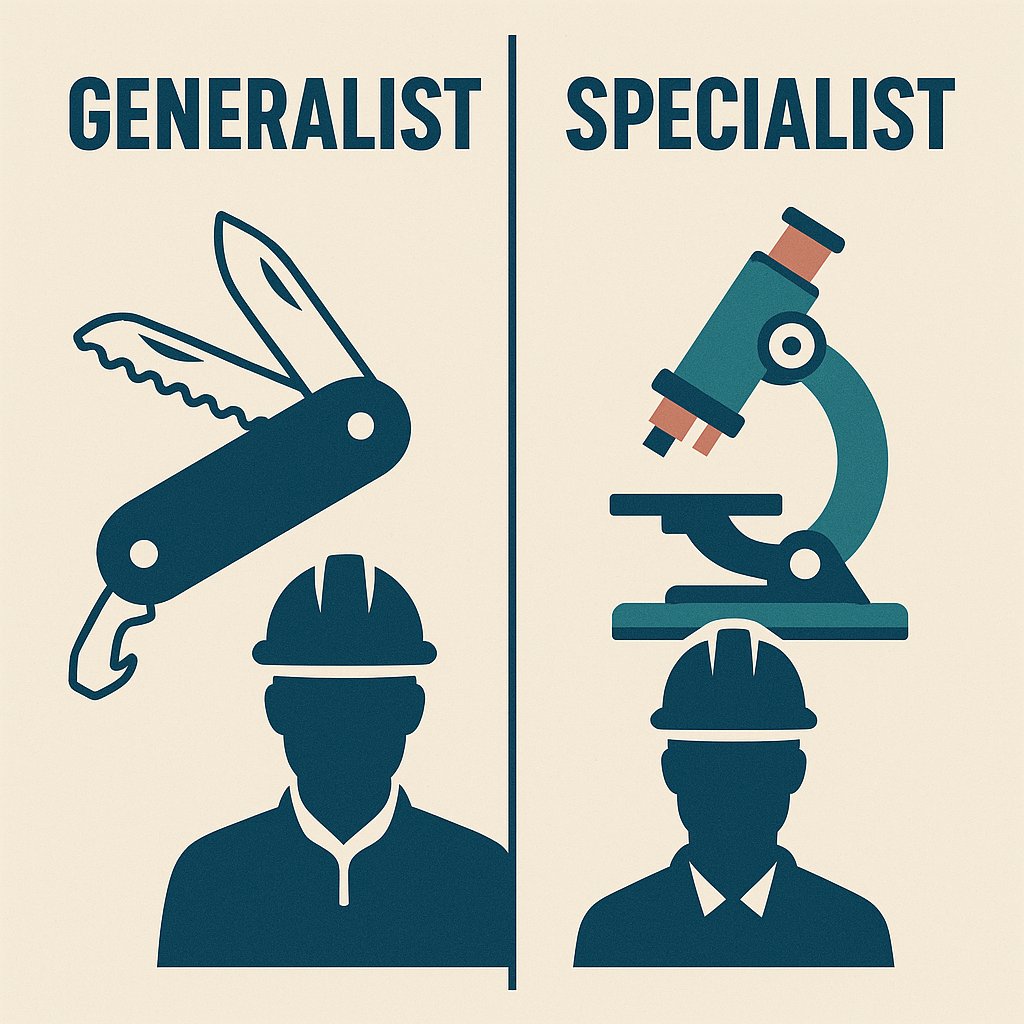
Choosing between generalists and specialists is like deciding whether to carry a Swiss Army knife or a surgeon’s scalpel. Generalist engineers possess a broad range of skills; they can move between tasks, fill gaps in small teams and adapt to evolving technologies. In a startup, a generalist might design the user interface one day and troubleshoot server infrastructure the next. This flexibility reduces dependency on multiple hires and encourages cross‑functional collaboration.
Specialist engineers, by contrast, dive deeply into a specific domain. They understand the nuances of a programming language, the physics of power systems or the mathematics of machine learning. When precision is paramount—such as developing safety‑critical avionics or optimising high‑frequency trading algorithms—a specialist’s expertise can be indispensable. Some argue that specialists drive innovation by pushing the boundaries of what’s technically possible, while generalists excel at integrating diverse components into a coherent whole.
The cause‑and‑effect considerations depend on company stage and goals. Early‑stage ventures benefit from generalists who can wear many hats and pivot quickly. As products mature and complexity increases, specialists ensure depth and robustness. A pragmatic approach is to build a core team of generalists and supplement with specialists on targeted projects. Over time, some engineers may transition between these roles, reflecting their evolving interests and the organisation’s needs.
How can small businesses attract and retain engineering talent?
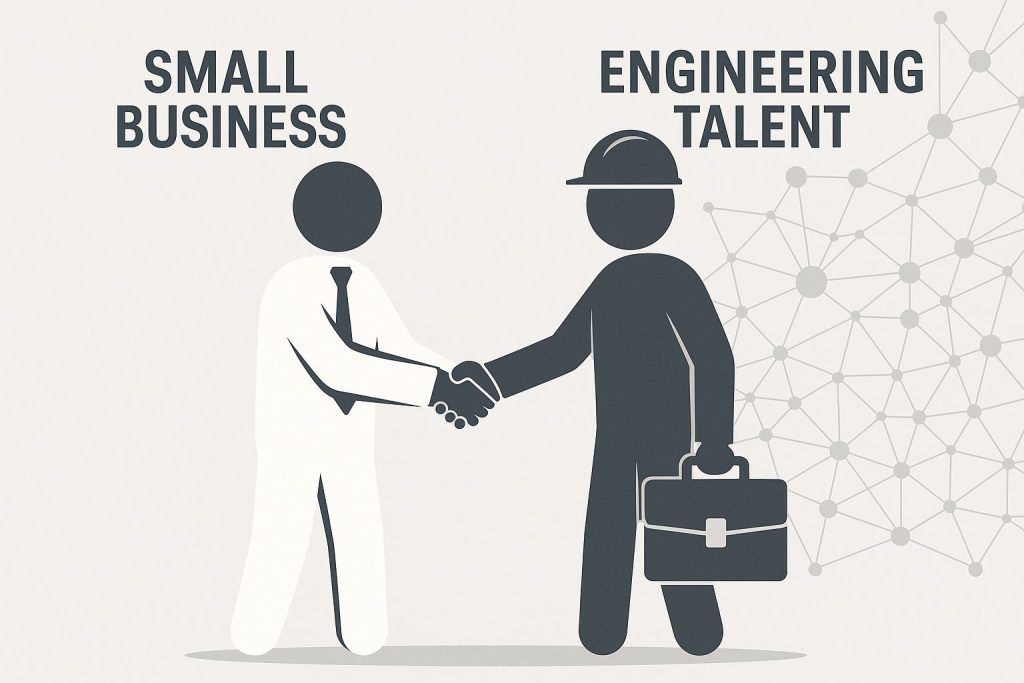
Small businesses often feel dwarfed by large corporations when it comes to recruiting engineers. They can’t always match Silicon Valley salaries, but they have unique advantages: agility, close‑knit teams and meaningful impact. Engineers who crave autonomy and the chance to influence product direction may prefer a smaller setting. Offering flexible hours, remote options and equity can sweeten the deal. Clear communication about company vision and values fosters alignment and helps candidates imagine themselves as part of the journey.
Retention hinges on growth opportunities and recognition. Providing mentorship, sponsoring professional development and creating pathways for advancement show that you’re invested in your employees’ future. Some argue that small companies should avoid micromanagement; trusting engineers to solve problems in their own way can boost morale. Regular feedback loops—both formal and informal—ensure that concerns are addressed before they fester.
Leveraging external partners can also help. Dev Centre House, for instance, offers development and consultancy services that allow businesses to scale their technical capabilities without building everything in‑house. By collaborating with such partners, you can augment your team, access expertise and deliver projects faster—all while maintaining control over core functions. The cause‑and‑effect is clear: invest in people and partnerships, and engineers will invest their skills and creativity in your business.
What roles do engineers play in a startup environment?
In the early days of a startup, engineers are more than coders or circuit designers; they’re co‑architects of the business. They translate ideas into prototypes, iterate based on customer feedback and often influence strategic decisions. For example, a software engineer might advise on whether to build a feature from scratch or integrate a third‑party API, balancing technical debt against time‑to‑market. An electronics engineer in a hardware startup might juggle design, testing and sourcing components, all while ensuring regulatory compliance.
The breadth of responsibilities means that soft skills become as important as technical prowess. Engineers need to communicate with marketers, understand user stories and sometimes engage directly with customers. The ability to pivot when a product vision changes is vital. Some argue that the “fail fast” mantra of startups suits engineers who enjoy experimenting and learning, whereas those seeking stability may find the pace disorienting.
As startups grow, roles specialise. New hires may focus on scaling infrastructure, refining algorithms or maintaining quality assurance. Founding engineers often transition into leadership positions, mentoring newcomers and setting technical standards. The cause‑and‑effect interplay is dynamic: early decisions shape the product and culture, and the right engineers can make the difference between a pivot and a dead end.
How important is cultural fit when hiring engineers?

Cultural fit is the invisible glue that holds engineering teams together. It encompasses shared values, communication styles and attitudes towards collaboration. A brilliant engineer who thrives on solo work may not suit a pair‑programming culture, while a risk‑averse individual might struggle in a startup where iteration and experimentation are the norm. Misalignment can lead to friction, decreased productivity and eventual turnover, costing time and resources.
However, cultural fit shouldn’t become a euphemism for homogeneity. Diverse perspectives spur innovation, so hiring managers should distinguish between core values and superficial similarities. It’s tempting to think that recruiting people who look and think like the existing team makes life easier, but this can breed complacency. Instead, assess whether candidates share the company’s mission and exhibit behaviours—such as curiosity, integrity and resilience—that underpin your culture.
The cause‑and‑effect chain is evident: employees who feel they belong are more engaged, deliver higher quality work and stay longer. To gauge fit, involve multiple team members in interviews and encourage open discussion about working styles. Present realistic scenarios rather than vague hypotheticals. Remember, culture evolves; new hires will shape it as much as adapt to it. Building a culture that welcomes diverse voices while aligning on key values is a strategic asset, not a nice‑to‑have.
What salary expectations should companies have for engineers?
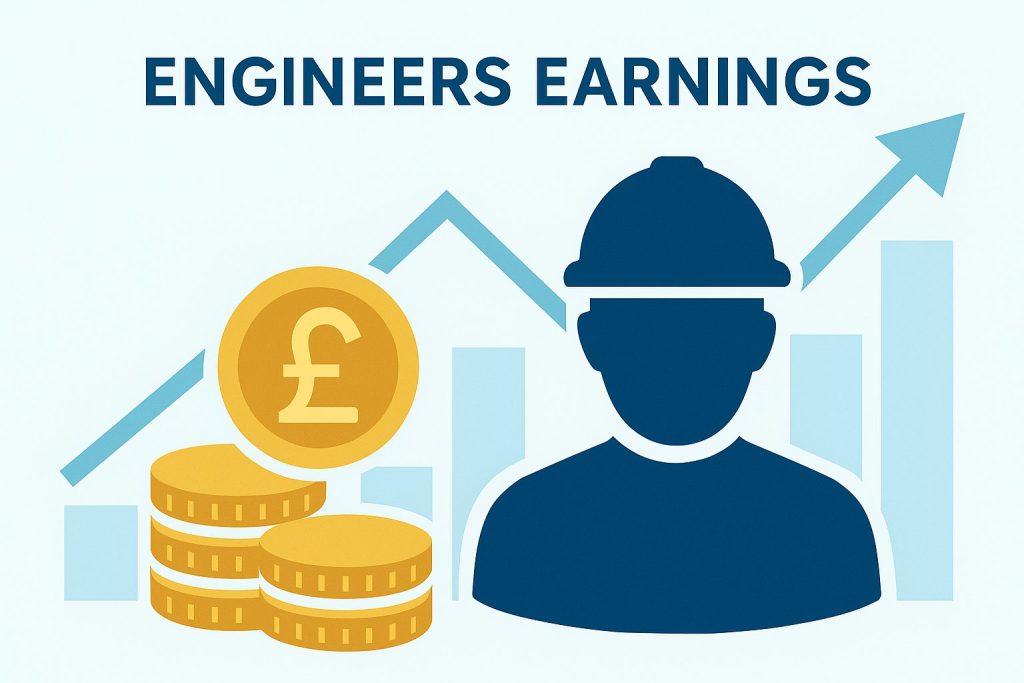
Salaries for engineers vary widely by discipline, region, experience and sector. In the United States, the median pay for software developers was $131,450 per year in 2024, while electrical and electronics engineers earned $118,780. These figures serve as benchmarks, but the range can stretch far above the median for specialised roles or high‑cost cities. For instance, machine‑learning engineers or cloud architects often command six‑figure starting salaries plus bonuses. In the UK, median pay for software engineers hovers around £55,000–£70,000, though London rates skew higher.
Compensation isn’t solely about base salary. Stock options, profit‑sharing, signing bonuses and benefits—such as health insurance or pension contributions—add up. Some argue that smaller companies should emphasise non‑financial perks like flexible working hours, training budgets and a supportive culture to compete with larger employers. Engineers value autonomy and the ability to work on meaningful projects; these factors can sometimes outweigh salary differences.
The cause‑and‑effect relationship between pay and retention is clear: underpaying engineers leads to higher turnover, which disrupts projects and incurs recruiting costs. Conversely, overpaying without clear expectations can attract people for the wrong reasons. A data‑driven approach, informed by market rates and adjusted for role complexity and performance, helps strike the right balance. Transparent salary bands can also foster trust and reduce unconscious bias in compensation decisions.
What skills are most in demand for engineers today?
The skills landscape for engineers evolves as technologies shift. In software development, proficiency in languages like Python, JavaScript and Java remains fundamental, while expertise in cloud platforms (AWS, Azure or Google Cloud), containerisation (Docker, Kubernetes) and continuous integration tools is highly sought after. Artificial intelligence and machine learning skills are particularly prized, reflecting the surge in data‑driven products. For electrical and electronics engineers, knowledge of embedded systems, power electronics and control theory is crucial as industries electrify and automate.
Equally important are problem‑solving abilities and systems thinking. Modern engineering problems are rarely siloed; a web developer must understand user experience, security and back‑end architecture. Soft skills—communication, collaboration and empathy—enable engineers to work effectively with stakeholders. Some argue that design thinking and an appreciation of user psychology differentiate good engineers from great ones.
Continuous learning underpins all of these skills. Certifications, online courses and open‑source contributions help engineers stay current. The cause‑and‑effect is straightforward: engineers who invest in learning remain marketable and deliver innovative solutions; employers who support this growth attract and retain top talent. In a field where yesterday’s hot technology can become today’s legacy, adaptability is the most enduring skill of all.
How can businesses effectively assess technical skills during recruitment?

Evaluating an engineer’s technical aptitude is more nuanced than asking them to solve a puzzle on a whiteboard. Effective assessments mirror real‑world scenarios and provide insight into both problem‑solving and communication. Many companies use take‑home coding challenges that simulate tasks candidates might perform on the job. Pair‑programming interviews, where an interviewer and candidate tackle a problem together, reveal how applicants articulate their thinking, respond to feedback and collaborate. For hardware roles, design exercises or lab tests serve a similar function.
Structured interviews reduce bias. Every candidate should be asked the same questions, and scoring rubrics should be idempotent—yielding consistent results regardless of who administers the test. Some argue that automated tests or platforms can filter candidates quickly, but over‑reliance on algorithms risks overlooking unconventional yet talented applicants. Combining automated screening with human judgement produces better outcomes.
The cause‑and‑effect relationship here is tangible: fair, realistic assessments attract strong candidates and improve hiring accuracy, whereas opaque or irrelevant tests deter applicants and lead to poor hires. Feedback loops are important too; collecting candidate feedback helps refine the process. Remember to evaluate soft skills alongside technical competence. A brilliant coder who can’t collaborate may hinder your team more than help. Thoughtful assessment processes convey respect for applicants and signal that your company values quality and fairness.
Should we hire engineers as contractors or full‑time employees?
The decision to engage contractors versus full‑time engineers hinges on project scope, budget and long‑term strategy. Contractors offer flexibility: you can bring specialised expertise for a defined period without committing to ongoing salaries and benefits. This approach suits projects with clear deliverables or seasonal demand. Contractors can also provide an outside perspective, drawing on experiences from multiple industries.
Full‑time engineers, by contrast, invest in the company’s mission. They accumulate domain knowledge, nurture team cohesion and contribute to long‑term product evolution. Hiring full‑time may be more cost‑effective for ongoing work, as contractor rates often exceed employee salaries when benefits are factored in. Some argue that over‑reliance on contractors erodes institutional memory and can create security concerns if sensitive information is shared with transient workers.
There’s no one‑size‑fits‑all solution. A hybrid approach—maintaining a core permanent team and supplementing with contractors for specialised tasks—can balance flexibility with stability. The cause‑and‑effect is clear: relying solely on contractors may limit your ability to build cohesive culture, while a 100 % permanent team might strain budgets during slow periods. Align your hiring model with the rhythm of your projects and your appetite for risk.
How does economic uncertainty influence engineering hiring strategies?

Economic cycles shape hiring behaviour. During booms, companies scramble to expand teams, sometimes making hasty decisions to secure scarce talent. In downturns, budgets tighten and hiring slows; projects deemed non‑essential may be deferred or cancelled. However, engineering roles often endure because innovation drives recovery. Firms that continue to invest in research and development during recessions can emerge stronger when conditions improve.
Some argue that economic uncertainty actually creates opportunities. Talented engineers may become available if competitors downsize, and companies with healthy balance sheets can negotiate favourable terms. Conversely, prolonged instability may deter risk‑averse candidates from changing jobs. The uncertainty can also influence salary expectations—candidates may prioritise job security over maximum pay in turbulent times.
Strategic workforce planning mitigates the impact. Scenario analysis—planning for best‑, moderate‑ and worst‑case economic conditions—helps determine when to hire, pause or pivot. Flexible arrangements like part‑time roles, contract‑to‑hire or project‑based engagements can provide agility. The cause‑and‑effect is evident: prudent hiring during uncertain periods preserves cash flow while ensuring critical skills are available. A deliberate approach beats reactive hiring sprees or blanket freezes.
What are the benefits of building diverse engineering teams?
Diverse teams are more than a checkbox; they’re a catalyst for innovation. Engineers from different backgrounds bring varied perspectives that challenge assumptions and surface novel solutions. Research consistently shows that diverse teams produce higher‑quality products and services. For example, a team designing a medical device will benefit from input across genders, nationalities and socioeconomic backgrounds, ensuring the product meets a wider range of needs.
Some argue that diversity initiatives compromise meritocracy, yet evidence suggests the opposite: broadening the talent pool uncovers hidden gems who might otherwise be overlooked. Cognitive diversity—differences in thinking styles, experience and problem‑solving approaches—enhances creativity. Companies like Atlassian and Slack have publicly reported improved employee engagement and innovation metrics after investing in diversity and inclusion programmes.
The cause‑and‑effect chain extends to recruitment and retention. Organisations that prioritise inclusion attract a wider range of candidates and reduce turnover by fostering a sense of belonging. Inclusive cultures also mitigate groupthink, reducing the risk of catastrophic oversights. Building diversity requires deliberate action: unbiased recruitment, mentorship programmes and equitable career progression. The payoff is a richer mix of ideas and, ultimately, better products.
How can companies support continuous learning for engineers?
Continuous learning keeps engineers sharp and fuels innovation. Employers can facilitate this by allocating time for personal development—Google’s famous “20 % time” is one example. Sponsoring certifications, conferences and advanced degrees signals that the organisation values growth. Internal hackathons or “tech talks” encourage knowledge sharing and experimentation, while mentorship programmes pair juniors with experienced colleagues.
Some argue that learning should happen on personal time, but evidence shows that integrated development leads to higher productivity and retention. When engineers feel supported in exploring new technologies or methodologies, they’re more likely to bring fresh ideas to their projects. Conversely, neglecting learning leads to stagnation: outdated skills, technical debt and diminishing relevance in the marketplace.
The cause‑and‑effect is straightforward: investing in learning feeds a virtuous cycle of innovation and loyalty. Employees gain skills; employers gain cutting‑edge solutions. In a field where change is constant, continuous education isn’t a luxury; it’s a survival strategy. Building learning into the organisational DNA—through budgets, recognition and leadership support—ensures that engineers and the business grow together.
What legal or compliance considerations come with hiring engineers internationally?

Hiring engineers across borders opens access to global talent but brings legal and compliance complexities. Employers must navigate visa requirements, tax laws, employment regulations and data‑protection rules that vary by jurisdiction. For example, the European Union’s General Data Protection Regulation (GDPR) restricts how personal data is collected and transferred. In the United States, H‑1B visas are capped annually, with strict criteria on minimum salaries and speciality occupations.
Misclassifying workers can lead to fines and reputational damage. An engineer engaged as a contractor in one country may be treated as an employee under local law, triggering obligations around benefits and termination rights. Some argue that the administrative burden outweighs the benefits of global hiring, but numerous companies successfully navigate these hurdles by partnering with “employer of record” services or establishing local entities.
The cause‑and‑effect relationship is clear: compliance failures erode trust and can stall expansion, while meticulous adherence ensures smooth operations. Conducting legal due diligence, consulting local experts and standardising contracts help mitigate risk. As remote work normalises, understanding international employment law becomes a core competency for HR and legal teams. Investing in compliance up front prevents costly corrections down the road.
How can AI and automation assist in recruiting engineers?
Artificial intelligence is reshaping recruitment, promising to streamline workflows and reduce bias. Automated resume parsing can identify candidates whose experience matches job descriptions, freeing recruiters to focus on personal interactions. Chatbots answer applicant questions, schedule interviews and deliver status updates. Predictive analytics can even estimate a candidate’s likelihood of accepting an offer based on past behaviour.
However, AI is a tool, not a panacea. Algorithms trained on biased data sets may perpetuate inequities; relying solely on automated screening can overlook unconventional candidates with high potential. Some argue that AI dehumanises the hiring process, turning people into data points. The key is to use automation to augment, not replace, human judgement. Combining AI‑driven insights with structured interviews and thoughtful evaluation produces more equitable and accurate results.
The cause‑and‑effect dynamic is nuanced: automation speeds up processes and reduces administrative load, but careless deployment can damage your employer brand. Transparency—informing candidates when AI is used and how decisions are made—builds trust. Continuous monitoring and updating of algorithms ensure they remain fair and effective. Ultimately, AI can help recruiters handle growing applicant volumes without sacrificing quality, but it must be deployed responsibly.
When should a company use a recruitment agency to hire engineers?
Recruitment agencies specialise in matching talent to vacancies, which can save time and broaden your reach. They maintain networks of passive candidates who might not be actively job hunting. Agencies often have deep industry knowledge and can advise on market rates, skill availability and hiring trends. For hard‑to‑fill roles or urgent needs, partnering with an agency can be the difference between launching on schedule and missing critical deadlines.
Yet agencies come with costs—typically a percentage of the employee’s annual salary. For frequently recurring roles, building an internal recruitment capability may be more economical and ensure alignment with company culture. Some argue that agencies prioritise closing deals over long‑term fit, though reputable firms focus on sustained relationships. The quality of service can vary widely, so vetting partners thoroughly is essential.
The cause‑and‑effect decision point revolves around resources and expertise. If your HR team is overstretched or lacks technical knowledge, an agency can provide valuable support. Conversely, if you have ongoing hiring needs and the capacity to manage them, investing internally yields greater control. Many companies adopt a hybrid model: using agencies for specialised or senior roles while handling volume hiring themselves. This approach balances efficiency with cost and cultural alignment.
What future trends will shape hiring engineers beyond 2025?
Looking beyond 2025, several forces will reshape engineering recruitment. The convergence of artificial intelligence, quantum computing and biotechnology will create entirely new disciplines, demanding hybrid skill sets. Engineers will need to understand ethics and policy as much as code or circuitry. Sustainable design practices will become mandatory rather than optional, as climate change and resource constraints demand low‑carbon solutions.
Work arrangements will continue to diversify. The gig economy may extend to highly specialised engineering tasks, with platforms matching projects to experts on demand. Virtual and augmented reality could enable immersive remote collaboration, making geographic location even less relevant. Some argue that the metaverse will host virtual R&D labs where engineers experiment with digital twins before building physical prototypes.
Demographic shifts will also play a role. As experienced engineers retire, knowledge transfer programmes will become critical. Educational systems may need to adapt, offering interdisciplinary degrees that blend computing, biology and design. The cause‑and‑effect chain is open‑ended: trends influence each other in unpredictable ways. What’s clear is that agility, inclusive practices and continual learning will be the lodestars for companies seeking to attract the engineers who will build the future.
Leave a Reply